
A method of comparing two versions of a web page, email, or other marketing asset to see which one performs better.
The purchase of one company by another, often for the purpose of acquiring its assets or intellectual property.
The behaviour that the user takes in response to a trigger. Actions form a critical component of the hook cycle in creating habit-forming products.
A software development methodology that emphasizes flexibility and rapid iteration. It involves breaking projects down into smaller, manageable chunks and continuously delivering working software.
An individual who provides capital to a startup in exchange for equity or convertible debt. Angel investors are typically high-net-worth individuals who invest at an early stage of a company's development.
A prioritized list of features, bug fixes, and other work items that need to be completed by a development team.
The process of testing a pre-release version of a product with a group of early adopters or beta testers. Beta testing is done to gather feedback and identify bugs or other issues before the product is released to the general public.
A group of individuals who are elected or appointed to oversee the management of a corporation. The board of directors is responsible for making major business decisions, hiring and firing executives, and setting corporate strategy.
The perception that people have of a company, product, or service. A brand is made up of a combination of visual elements (such as a logo), messaging, and the overall experience that customers have with the company.
The way that a company's brands, products, and services are organized and presented to customers. Brand architecture can include sub-brands, product lines, and other brand elements.
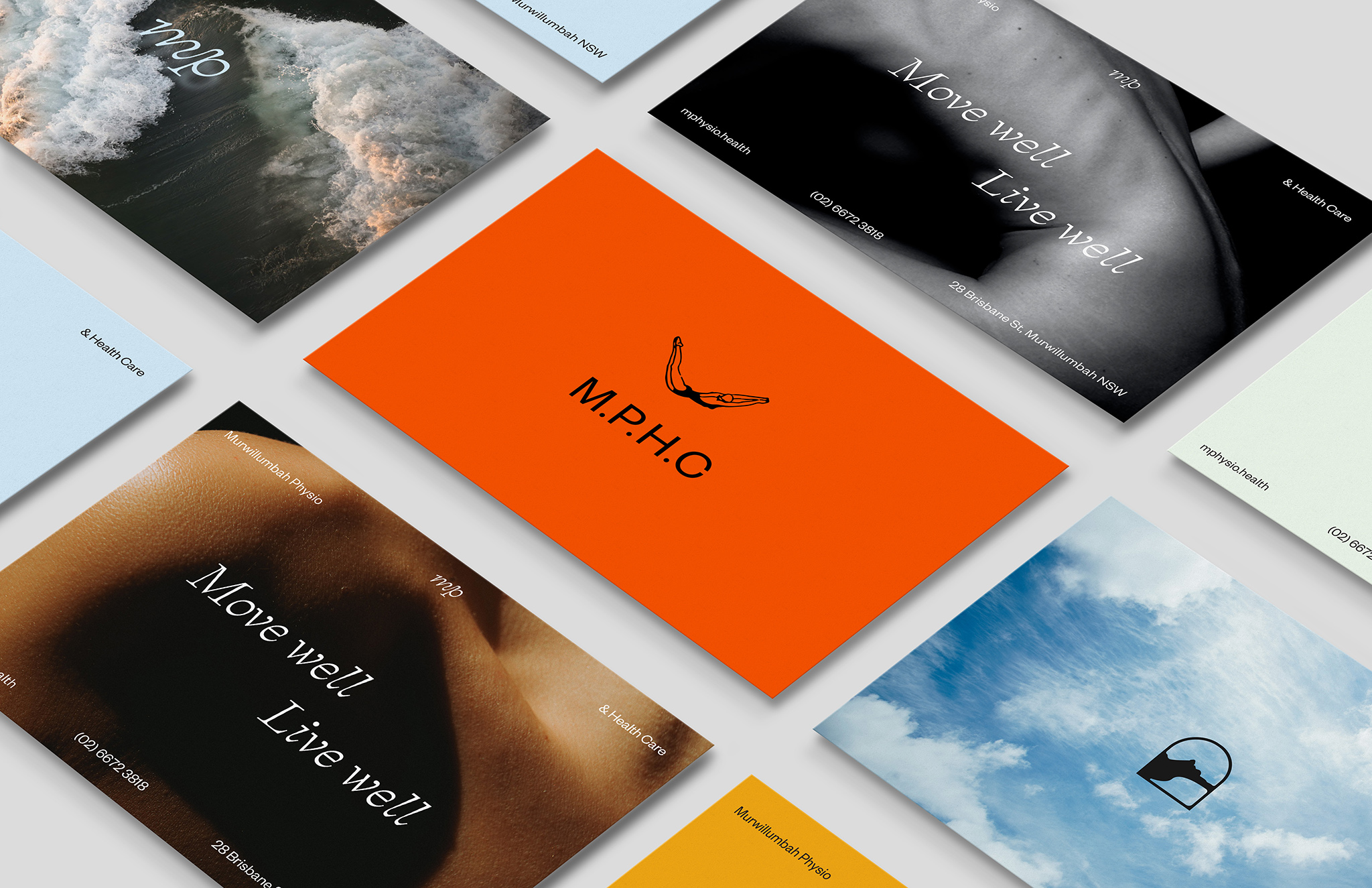
A set of standards and guidelines that dictate how a company's brand should be used across all marketing materials and touchpoints. Brand guidelines typically include rules for using logos, colors, typography, and other visual elements, as well as guidelines for tone of voice and messaging.
The visual and verbal elements that make up a brand, including a logo, typography, color palette, messaging, and other brand assets.
The process of creating and building a brand, including the development of brand assets (such as a logo and visual identity), messaging, and other elements that are critical to creating a strong and recognizable brand.
The narrative that a company uses to communicate its values, mission, and vision. A brand story should be compelling and emotionally resonant, and should help customers connect with a brand on a deeper level.
The plan that a company develops to build and maintain its brand over time. A brand strategy should define the brand's target audience, key messaging, brand positioning, and other elements that are critical to building a strong brand.
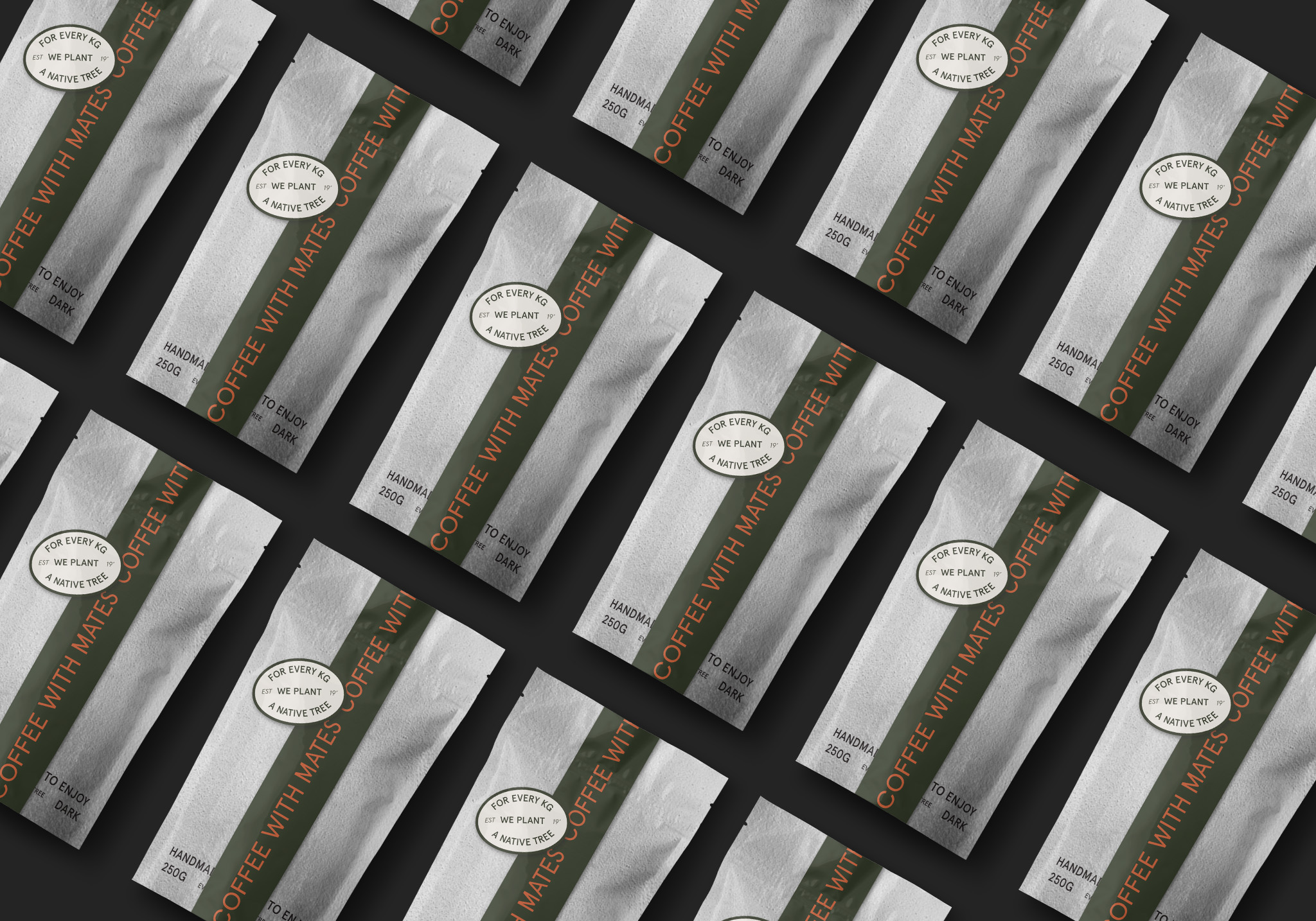
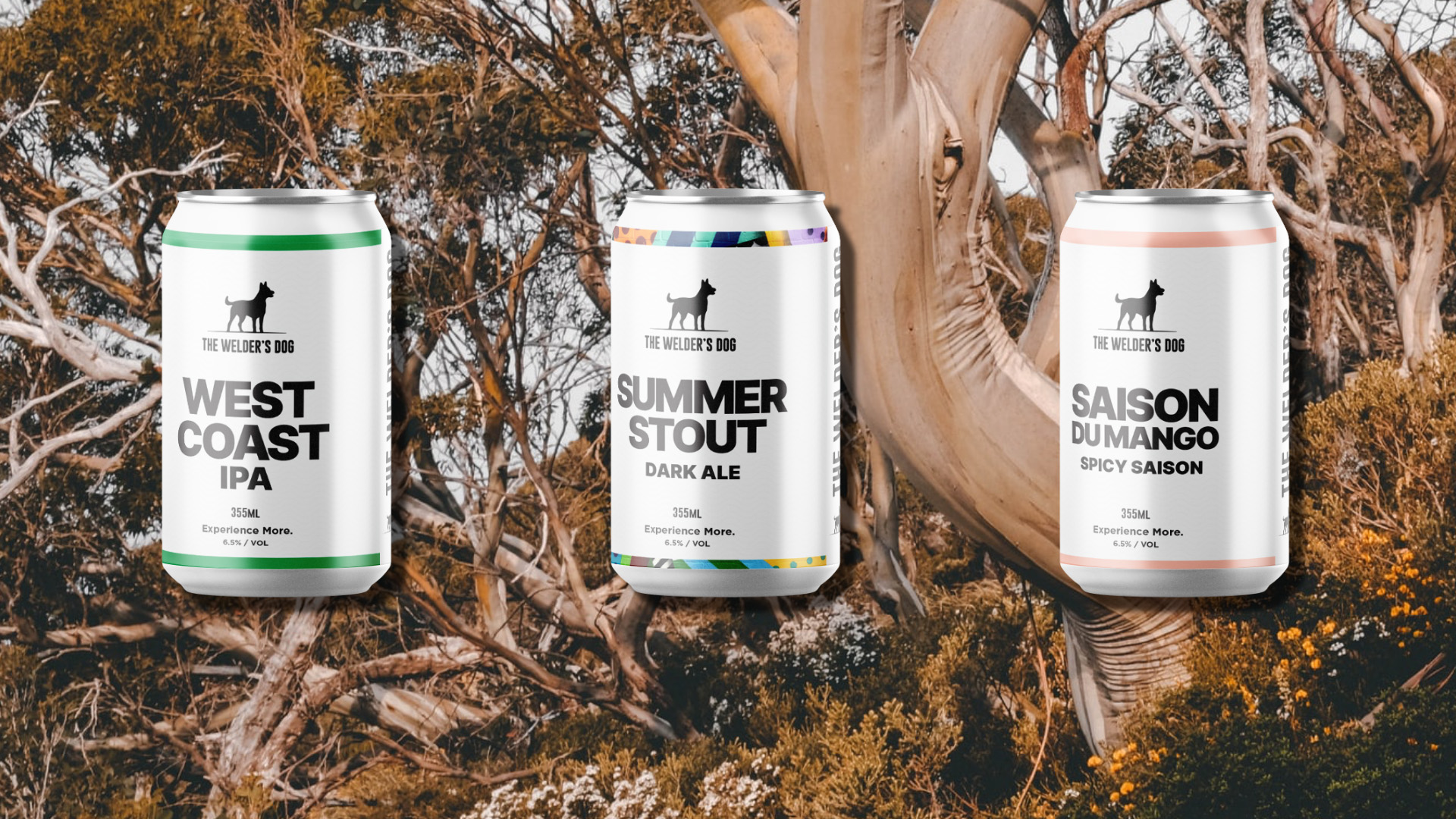
The various points of contact that a customer has with a brand, including advertising, social media, website, packaging, and customer service. Brand touchpoints are an important part of building brand awareness and creating a positive customer experience.
A short-term loan that is used to bridge the gap between two longer-term financing options. Bridge loans are often used by startups to cover expenses while they are waiting for a larger funding round to close.
The rate at which a company is spending its available funds to finance operations before generating positive cash flow. Burn rate is often used to measure the runway of a startup, or the amount of time it has before it runs out of money.
The process of developing products and systems with zero carbon footprint by minimising emissions, using sustainable materials, and renewable practices.
A systematic error in thinking that affects decision making
The process of researching and analyzing competitors in a market to gain insights into their strengths and weaknesses, market share, pricing strategies, and other key factors. Competitive analysis is used to develop strategies for marketing, product development, and other areas of a business, and can help businesses identify opportunities for differentiation and competitive advantage.
The user's desire to behave in a way that is consistent with their past actions and beliefs
The process of gathering and analyzing data on consumer preferences, behaviors, and trends. Consumer research is used to develop products and marketing strategies that are tailored to the needs and wants of a specific target market. Methods of consumer research include surveys, focus groups, and ethnographic studies.
The process of planning, creating, and sharing content that is tailored to the needs and interests of a specific target audience. Content strategy is used to attract and engage customers, build brand awareness, and drive conversions.
The percentage of visitors to a website or landing page who take a desired action, such as making a purchase or filling out a form. Conversion rate is an important metric in digital marketing, and can be improved through optimization of the user experience, content, and design.
The series of interactions and touchpoints a customer has with a brand over time, from initial awareness to post-purchase evaluation. Mapping the customer journey is used to understand the customer experience and identify areas for improvement in areas such as messaging, customer service, and product design.
A problem-solving approach that emphasizes empathy for the user, iterative prototyping, and creative ideation. Design thinking is used in a variety of fields to develop innovative solutions to complex problems.
A process by which new products, services, or ways of doing business radically change and disrupt existing markets or industries.
The process of researching and analyzing a potential investment or acquisition to assess its suitability and potential risks.
Individuals or companies that are among the first to adopt and use a new product or technology.
The tendency to be more motivated to complete a task when progress has already been made
A plan for how an investor or company will exit or sell its ownership in a business or investment.
A trigger that comes from outside the user, such as a notification
A business model where a company offers a basic version of its product or service for free, but charges for more advanced features or functionality.
The process of raising capital from investors to finance a company's growth, typically through the sale of equity or debt securities.
A plan for how a company will bring its product or service to market, including targeting customers, pricing, and distribution channels.
Strategies for quickly growing a product through experimentation and optimization
A behavior that is done automatically without much thought or effort
Products designed to create a habit in the user
A framework for designing habit-forming products consisting of the four stages: trigger, action, variable reward, and investment
The first sale of stock by a private company to the public, allowing the company to raise capital and become publicly traded.
The process of developing new ideas, products, or technologies that create value and improve upon existing solutions.
A trigger that comes from within the user, such as an emotion
The anticipation of future rewards and the willingness to put in effort to receive them
A presentation or document used to pitch a business or investment opportunity to potential investors, typically highlighting the company's mission, team, market opportunity, and financial projections.
A metric used to measure the success of a product or feature
A methodology for developing businesses and products that emphasizes experimentation, customer feedback, and iterative design.
An event that allows a company's investors to sell their shares for cash, such as an IPO or acquisition.
A symbol or design used to identify a company or product.
A model that describes the stages a potential customer goes through before making a purchase, including awareness, interest, decision, and action.
The process of gathering and analyzing information about a market, including its size, competition, and customer needs.
A version of a product that includes only its essential features, used to quickly validate its market appeal and gather feedback.
The process of generating revenue from a product or service
Design elements that encourage a desired behavior without explicitly telling the user what to do
A fictional character representing a particular customer segment, used to understand and design for their needs and behaviors.
A fictional representation of the ideal customer for a product or service, based on user research and data
A presentation used to pitch a business idea or product to potential investors or partners.
A change in a business strategy or product direction based on customer feedback or market conditions.
Marketing activities used to build awareness and anticipation for a new product or business before its launch.
The process of creating new products, services, or systems that meet customers' needs and wants while addressing technical and business constraints. It involves researching, prototyping, testing, and iterating until the final product is ready for production or launch.
The process of introducing a new product or service to the market. It involves creating a marketing plan, identifying target customers, setting prices, and distribution channels.
A strategic plan that outlines the vision, goals, and timeline for a product's development. It helps stakeholders understand the direction of the product and make informed decisions about resource allocation and prioritization.
A preliminary model or sample of a product or system that allows designers and engineers to test and evaluate its design, functionality, and performance. It helps identify and fix problems before the final product is built or launched.
The practice of managing communication between an organization and its stakeholders, including the media, customers, investors, and employees. It aims to build and maintain a positive reputation, promote products or services, and manage crisis situations.
Something that the user finds unpleasant and discourages the behavior
The ability of a product to keep users engaged over time
Something that the user finds satisfying and reinforces the behavior
The amount of time a startup has before it runs out of money. It is calculated by dividing the current cash balance by the monthly burn rate, which is the amount of money a startup spends each month. The runway helps startups plan their fundraising and spending.
A series of steps that a potential customer goes through before making a purchase. The steps typically include awareness, interest, consideration, intent, evaluation, and purchase. Understanding the sales funnel helps businesses optimize their marketing and sales efforts.
The ability of a product or system to handle increasing amounts of work or users without compromising its performance or quality. Scalability is an important consideration for startups and growing businesses that need to accommodate more customers and users over time.
The initial capital raised by a startup from friends, family, or angel investors to develop and test its business idea. Seed funding typically ranges from $50,000 to $500,000 and is used to cover expenses such as product development, market research, and team salaries.
The stages of venture capital financing that a startup goes through as it grows and develops. Series A typically raises $2-15 million, Series B $10-50 million, and Series C $50-100 million. Each round typically involves new investors and a higher valuation for the company.
The tendency to do what others are doing
A limited release of a product or service to a small group of users or in a specific geographic region. Soft launching helps startups gather feedback, test their assumptions, and identify and fix problems before launching to a wider audience.
A short, memorable phrase or slogan that conveys a brand's message or value proposition.
The specific group of people or demographic that a product or service is intended for.
A document that outlines the terms and conditions of a potential investment deal, including the valuation of the company, the amount of funding being offered, and any other relevant details.
An event that initiates a behavior
A startup company that has achieved a valuation of over $1 billion.
The process of gaining new users or customers for a product or service.
The overall experience a user has with a product or service, including usability, design, and emotional response
The visual and interactive elements of a product or service that allow users to interact with it
The ability of a product or service to keep its existing users or customers engaged and loyal over time.
The process of gathering feedback and insights from users about a product or service in order to improve its usability and overall experience.
The process of testing a product with real users to identify and fix usability issues
The process of determining the economic value of a company or an asset.
A statement that explains what benefits a product or service will provide to customers, and how it is different from competitors.
A reward that is unpredictable and keeps the user engaged
Private equity investment that is provided to startup companies and early-stage businesses with high growth potential.
A marketing strategy that relies on individuals to spread information about a product or service to others in their social network.
The visual elements of a brand, including its logo, color palette, typography, and design style.
The personality and style of communication that a brand uses to connect with its audience.
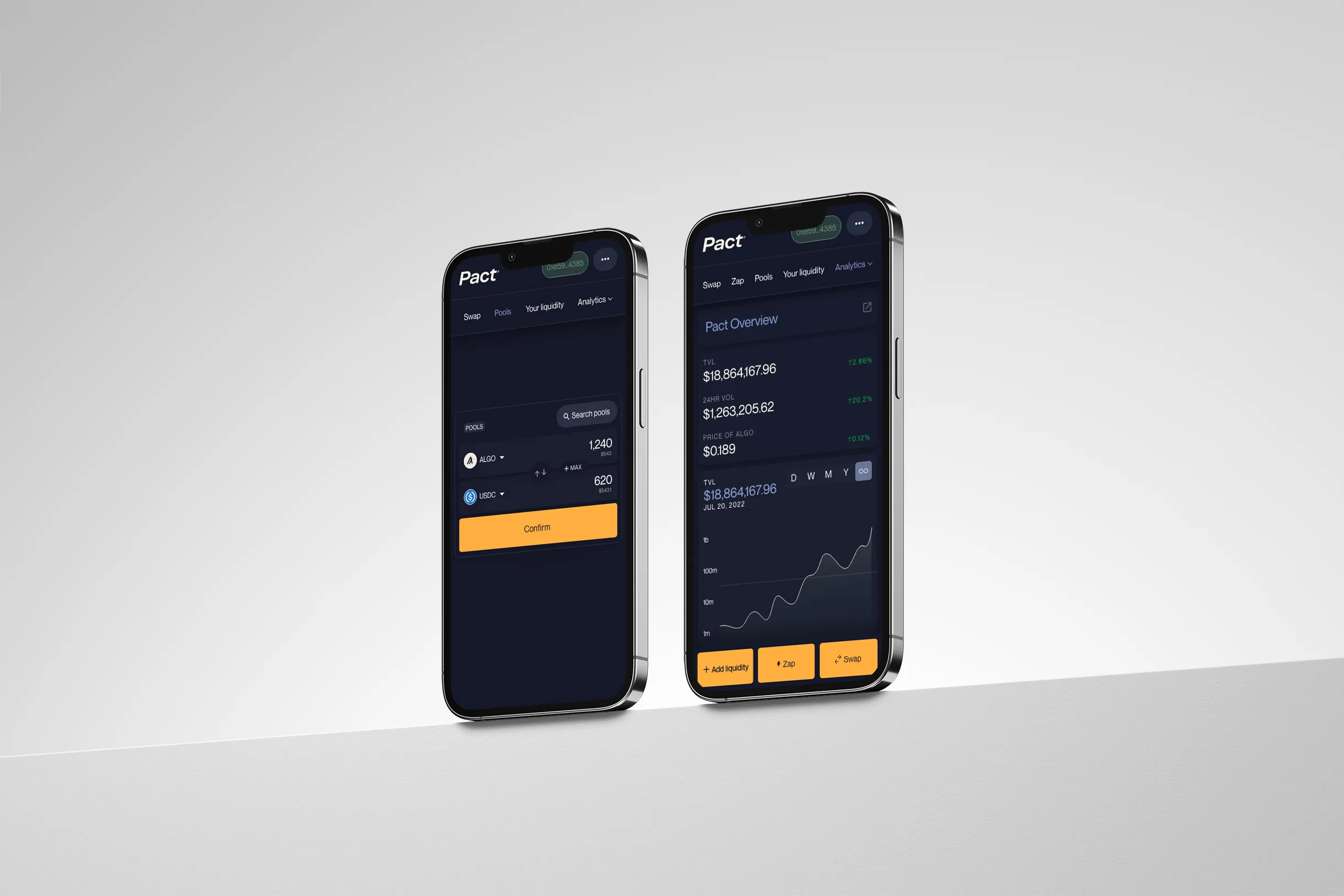
A visual representation of a product's user interface, showing the layout of content and functionality
Let us know below and we'll do more than just define it, we'll give you a use case of how have used it in the wild.